Listasafn Reykjanesbaer, Art Museum Reykjanesbaer, Keflavik Iceland
Reykjanes Art Museum warmly invites you to the opening of Nína, Our Dearest Nína during Ljósanótt, on Thursday, 3 September at 18:00. Nína, Our Dearest Nína sheds new light on the life, work and legacy of Nína Sæmundsson (1892–1965), one of the pioneering figures of Icelandic sculpture. Nína lived and worked abroad for much of her life, from Copenhagen and Paris to the United States, where she established a successful career as a sculptor. Her story has often been told as that of an Icelandic country girl who ventured out into the world and found success. This exhibition turns instead towards other aspects of her life, work and relationships. The exhibition approaches Nína from a queer perspective, placing her work in dialogue with new works by Diljá Þorvaldsdóttir, Jo Pawlowska, Olga Bergmann, Sabine A. Fischer and Victoria Ahrens. Taking Nína’s works as their point of departure, the artists open them to new interpretations exploring themes such as chosen family, intimacy and care, identity, childhood, nature and transformation. Through this intergenerational dialogue, Nína emerges not only as a historical figure, but as an artist whose life and work continue to raise new questions. The exhibition invites us to reconsider her place within Icelandic art history while bringing her significance within Iceland’s queer art history to the fore. Artists: Nína Sæmundsson, Diljá Þorvaldsdóttir, Jo Pawlowska, Olga Bergmann, Sabine A. Fischer and Victoria Ahrens Curators: Viktoría Guðnadóttir and Dr Ynda Eldborg The exhibition opens during Ljósanótt on 3 September at 18:00 at Reykjanes Art Museum and continues until 29 November 2026. The exhibition is supported by the Museum Fund of Iceland, the Icelandic Visual Arts Fund and The National Film Archive of Iceland. |
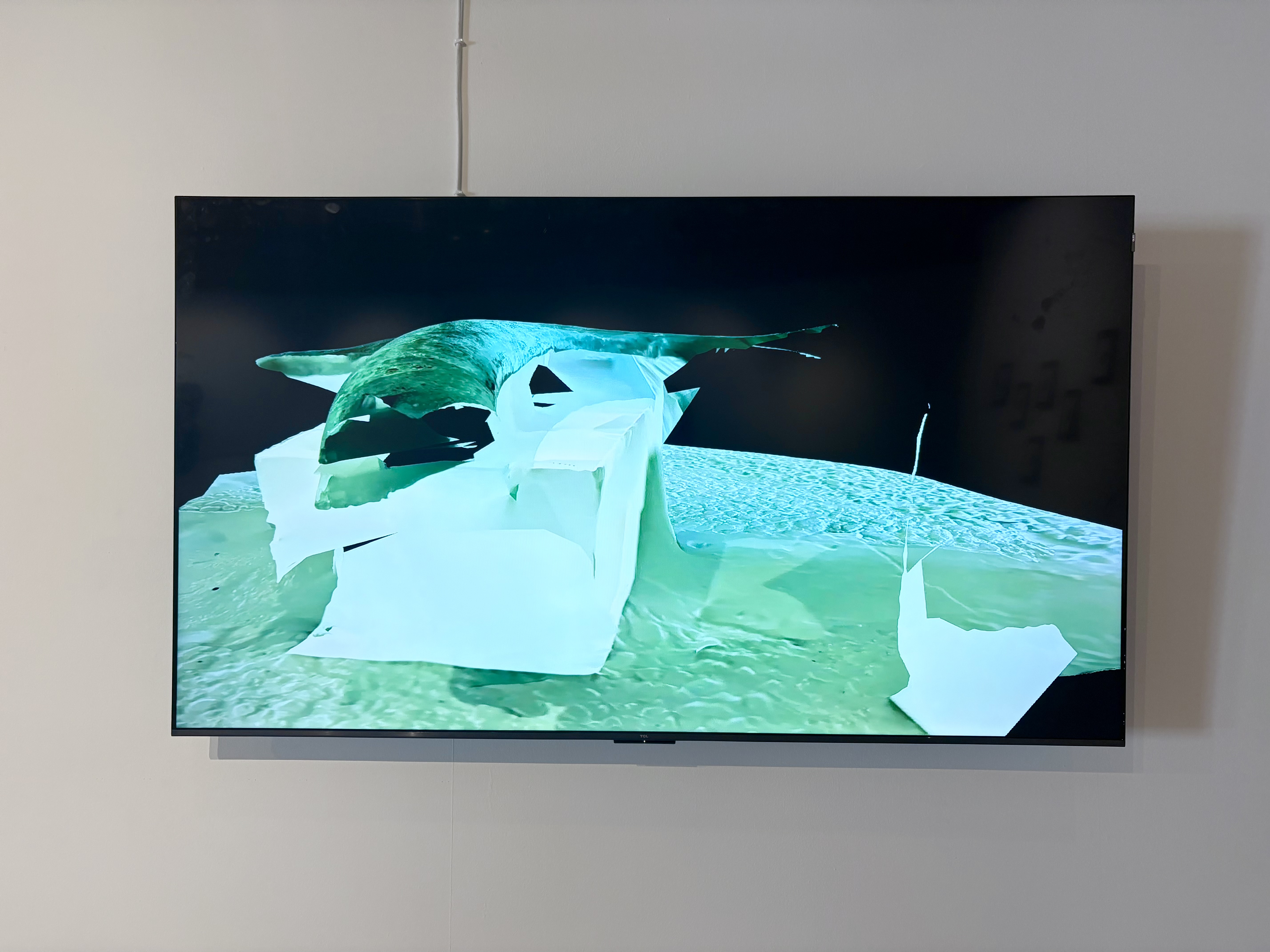
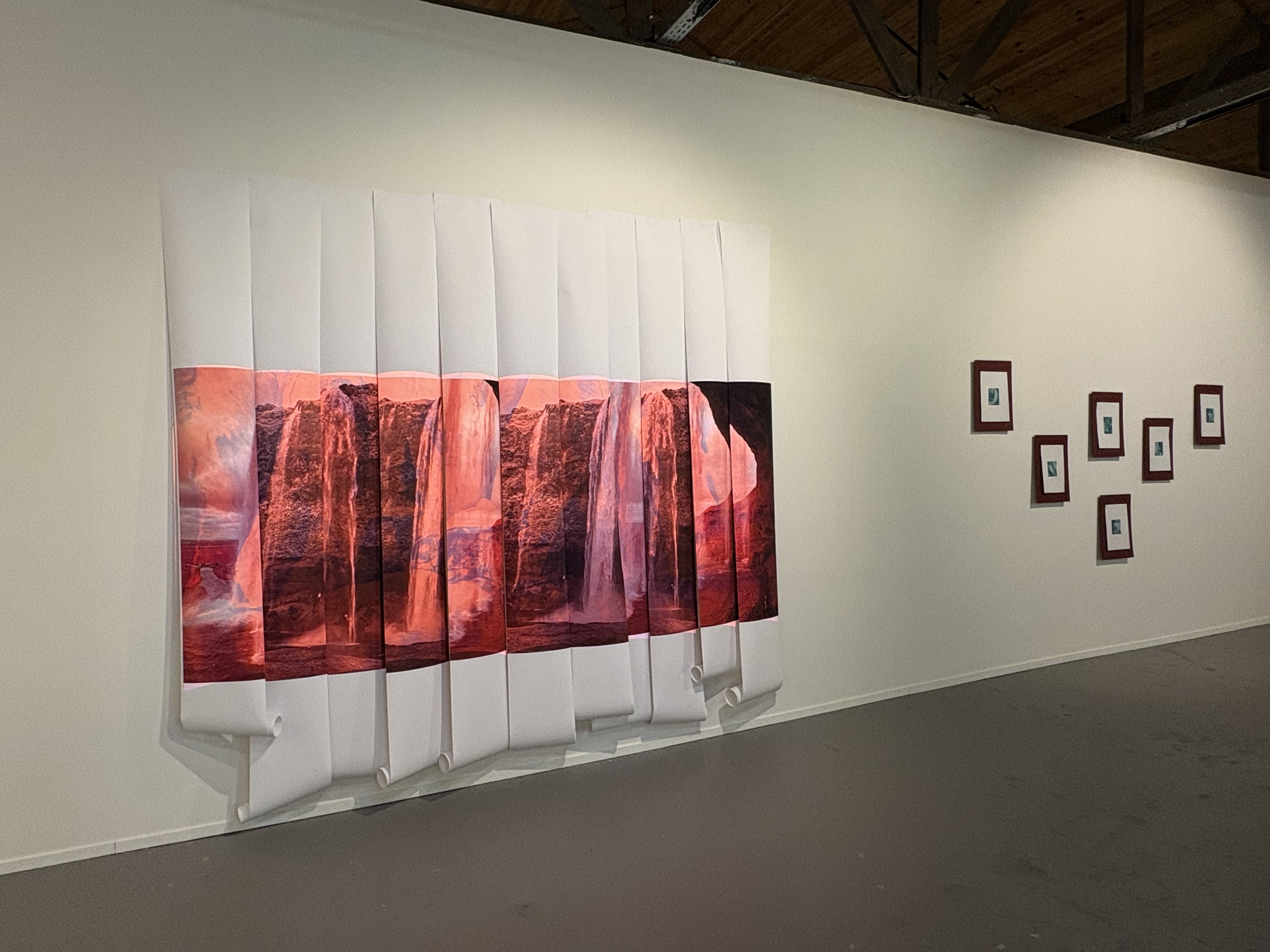
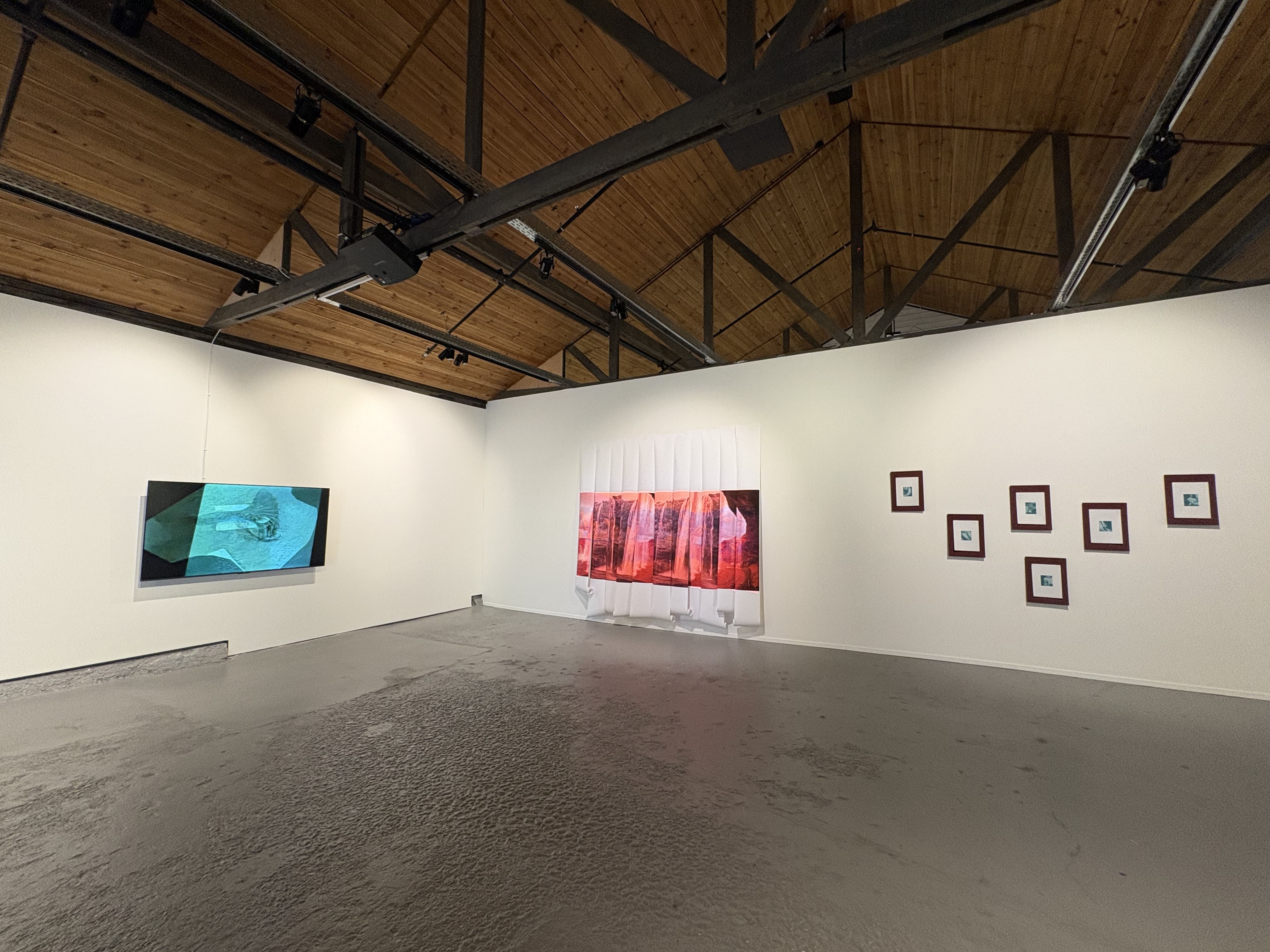
Thanks to the curators Dr. Ynda Eldborg and Viktoria Gu∂nadóttir, I was invited to make work in dialogue with a new exhibition of Nina Saemundsson’s pioneering work at the Reykjanesbaer Art Museum in Keflavik, Iceland. I responded to the narrative of her mermaid sculpture, or Hafmeyen, that on 1st January 1950 was exploded by disgruntled artists, who did not approve of her lifestyle as a queer person, her work, or the fact that she had lived in L.A. for years making work with and about the Hollywood greats of the 30s and 40s. I created a series of installations, of photo etchings of the fragments of the mermaid that were said to have remained (only two fragments are in the exhibition), using verdigris pigment, the same pigment that remains on the skin of the mermaid today (as bronze oxidizes and turns green in the moist air); a fragmented large scale piece of the waterfall that sits by her house in the South of Iceland, with a projected video piece onto its surface, detailing the landscapes that she often worked with in her paintings and that she grew up around and using the iron ore pigments so prevalent in Icelandic volcanic terrain; as well as a video on a screen of a 3D scan of the mermaid in the Trojnin lake, as well as fragments of the original mermaid statue, set to a soundscape of whispered, gossipy voices and eerie sounds.